











- 기사보기
- 샘플이용하기
기사보기


| 단어학습 | 속청학습 | 평가문제 | 단문학습 | 받아쓰기 | 퍼즐학습 | ENIE학습 |
| 워드팁 | 해석 |
|
||||
deliver (연설·강연 등을) 하다 / showdown 마지막 결전 / halftime [스포츠] 하프 타임, 중간 휴식 / anthem (국가·단체 등에 중요한 의미가 있는) 노래[?가] / rendition (노래·음악의) 연주[공연] / unite (다른 사람들과) 연합하다 / inaugural 취임(식)의, 개회의, 첫 / captivate ~의 마음을 사로잡다[매혹하다] / dazzling 빛나는, 눈부신 / commercial 이윤을 낳는[목적으로 한], 상업적인 / extended (보통 때나 예상보다) 길어진[늘어난] / exceed (특정한 수·양을) 넘다[초과하다/초월하다] / interval 중간 휴식
닫기
2026 FIFA 월드컵 결승전은 스페인과 아르헨티나의 맞대결뿐만 아니라, 경기 시작 전의 화려한 스타 축하 행사와 대회 사상 최초의 하프타임 쇼도 팬들에게 선사했습니다.
경기 전 축하 행사는 스트리머 IShowSpeed가 자신의 월드컵 찬가인 “Champions”를 공연하며 막을 올렸습니다.
이어서 Post Malone과 Swae Lee가 세계적인 히트곡 “Sunflower”를 공연하였고, Jennifer Hudson이 미국 국가를 자신만의 방식으로 부르는 등 수많은 유명 인사가 무대에 올랐습니다.
그 후 월드컵 우승자 출신의 스페인의 Andr?s Iniesta와 아르헨티나의 Mario Kempes가 FIFA 월드컵 트로피를 공개했으며, 배우 Tom Cruise가 전 세계 사람들을 하나로 묶는 축구의 힘을 기리는 메시지를 전하며 행사를 마무리했습니다.
득점 없이 전반전이 끝난 뒤, FIFA는 Madonna, BTS, Shakira를 비롯한 많은 출연진이 관객을 사로잡은 월드컵 최초의 하프타임 쇼를 개최하며 역사를 새로 썼습니다.
Coldplay의 Chris Martin, PS22 Chorus, Muppets, Sesame Street 캐릭터들이 자작곡 “We Dance”를 공연하며 쇼를 마무리했고, 이어 눈부신 불꽃놀이가 펼쳐졌습니다.
하프타임 쇼는 엇갈린 반응을 불러일으켰습니다.
일부는 추가된 볼거리를 환영한 반면, 다른 이들은 상업적인 분위기와 전통적인 15분 휴식 시간을 크게 초과한 길어진 휴식 시간을 비판했습니다.
경기 전 축하 행사는 스트리머 IShowSpeed가 자신의 월드컵 찬가인 “Champions”를 공연하며 막을 올렸습니다.
이어서 Post Malone과 Swae Lee가 세계적인 히트곡 “Sunflower”를 공연하였고, Jennifer Hudson이 미국 국가를 자신만의 방식으로 부르는 등 수많은 유명 인사가 무대에 올랐습니다.
그 후 월드컵 우승자 출신의 스페인의 Andr?s Iniesta와 아르헨티나의 Mario Kempes가 FIFA 월드컵 트로피를 공개했으며, 배우 Tom Cruise가 전 세계 사람들을 하나로 묶는 축구의 힘을 기리는 메시지를 전하며 행사를 마무리했습니다.
득점 없이 전반전이 끝난 뒤, FIFA는 Madonna, BTS, Shakira를 비롯한 많은 출연진이 관객을 사로잡은 월드컵 최초의 하프타임 쇼를 개최하며 역사를 새로 썼습니다.
Coldplay의 Chris Martin, PS22 Chorus, Muppets, Sesame Street 캐릭터들이 자작곡 “We Dance”를 공연하며 쇼를 마무리했고, 이어 눈부신 불꽃놀이가 펼쳐졌습니다.
하프타임 쇼는 엇갈린 반응을 불러일으켰습니다.
일부는 추가된 볼거리를 환영한 반면, 다른 이들은 상업적인 분위기와 전통적인 15분 휴식 시간을 크게 초과한 길어진 휴식 시간을 비판했습니다.
닫기
[1141호] World Cup Comes to a Close With a Star-Studded Spectacle
|
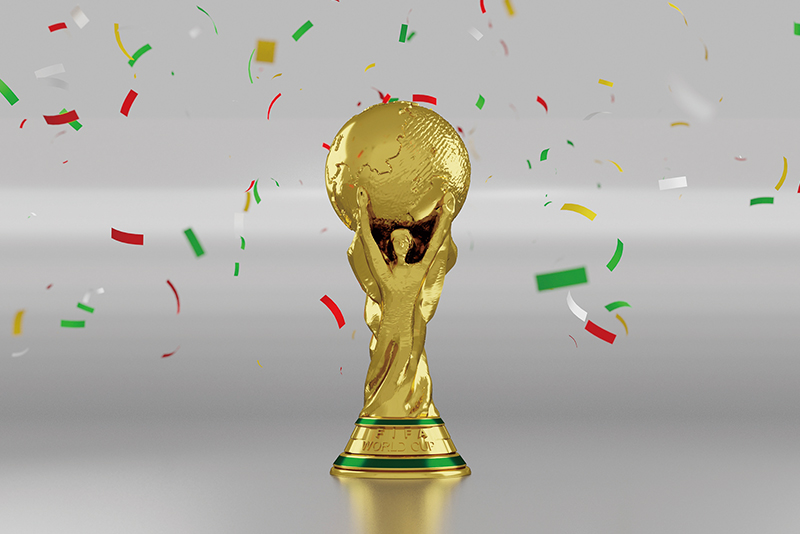 The 2026 FIFA World Cup final delivered more than a showdown between Spain and Argentina, treating fans to a star-studded celebration before kickoff and the tournament’s first-ever halftime show.












